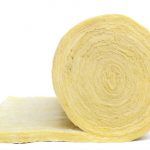
Insulation can save you hundreds of dollars on heating and cooling costs throughout the year. Proper insulation can make your home more comfortable and save you money. Insulation is available in a wide variety of forms. One of the best products for home insulation is fiberglass. Here are some important things to know about this type of insulation. (Click here to learn how insulating your home can lower your energy costs). R-Value of Insulation R-value is the unit of thermal resistance. The R-value of a product shows you how well the product is resistant to heat transfer. Materials with higher R-value are more thermal resistant. If you insulate your home with a material that has a high R-value, you are likely to experience better results. Installing Insulation Which part of the home you want to insulate is another important thing to consider. St. Louis HVAC experts explain that not all parts of your home require the same level of insulation. For example, use denser insulation materials for the attic, while interior walls do not need to be insulated with materials having a higher R-value. Fiberglass insulation is ideal for walls. The cost of insulation depends on the amount, the R-value of the insulation material, and...
View Article

Spring is not the only season that triggers allergies; fall can be equally bad. As the weather turns cooler, it brings a new set of allergens in the air causing symptoms such as sneezing, watery eyes, and running nose. The American Lung Association has stated that the St. Louis area is among the top 20 most polluted areas in the United States. According to the U.S. Environmental Protection Agency, an average home’s indoor air quality is two times more polluted compared to the outside air. This, coupled with seasonal allergies, can make it difficult for people to breathe easy, so here are some tips to help you have a sneeze-free fall. In this post, we will discuss some tips to maintain your indoor air quality and prevent allergies. What Causes Seasonal Allergies Allergies are the body’s first reaction to a foreign substance. People who are allergic may experience a severe reaction to allergens such as pollen and dust. Other people might not react at all to these allergens, but some may start experiencing symptoms as soon as they come in contact. Fall allergies, such as ragweed or ambrosia, is one of the top pollen-producing allergy triggers. As soon as the body detects allergens, the...
View Article

Without proper maintenance of your HVAC system, your utility bills can increase up to 35 percent. Do you regularly clean and maintain your car? You get your vehicle’s brakes, steering, tires, and other parts checked at regular intervals. You change the oil as recommended. You do not compromise the regular maintenance of your car, because you want to keep it running efficiently for years. This is exactly how you should deal with your gas furnace or heat pump. HVAC Maintenance Saves Money Regular cleaning and maintenance of your HVAC system is equally important. Statistics say that heating and cooling accounts for up to 50 percent of household energy bills. Without proper maintenance of your HVAC system, you will pay more on utility bills. Dirty coils and blowers can increase your energy costs by 35 percent. If you have been adding coolant to your air conditioner more frequently for the past few months, check your air conditioning system for any leakage. Regular cleaning and maintenance helps extend the lifespan of your gas furnace or heat pump. With regular and timely maintenance, around 80 percent of all compressor failures can be avoided. HVAC Maintenance – How Often? Some homeowners avoid preventive maintenance of their HVAC system in an attempt...
View Article

Reduce energy and save money by installing a humidifier in your home. Humidity levels drop during the winter months because cold air holds less moisture than warm air. As a result of dry air, you may experience a number of problems in the winter months, including: dry skin and/or an itchy throat nasal congestion resulting in cold or flu static electricity wallpaper peeling at the edges hardwood floors separating out at the seams difficulty in growing houseplants Indoor air should have a humidity level of 30-35 percent, but during winter months, the humidity level in the air drops to 13 percent or lower. One way to resolve this problem is by using a humidifier to add moisture to the indoor air. Type of Humidifiers You’ll find humidifiers in a wide variety of shapes and designs, including furnace/heat pump mounted units, floor models, and table models. Furnace/heat pump mounted units work as by-pass, steam, wick, mist, and powered. You can mount some of these models to the duct or attach some of them to the furnace or heat pump. You can easily install a humidifier while replacing your furnace. It is also possible to have one installed to your existing heating system. It is important...
View Article
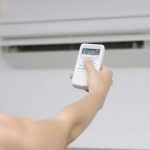
Ductless mini-split air conditioning systems are popular for their portable design, high efficiency, and cooling capacity. If you are planning to install a ductless mini-split air conditioner in your home or office, it would be a good idea to learn some maintenance tips. Mini-split systems are efficient and effective in cooling rooms of almost every size. Let’s take a look at some common problems with ductless mini-split air conditioners and how to prevent these problems. Ductless Mini Split Air Conditioner There are three components in a ductless mini-split air conditioner – the compressor, the air handler, and a remote. The compressor unit is located outdoors, while the air handler is located inside a room. It is easy to install this type of air conditioner, as in most cases installation can be done without rebuilding or remodeling your existing building. The indoor unit is connected to the outdoor unit through pipes and wires passing through a hole in the wall or ceiling. Another benefit of using a ductless mini-split air conditioner is that you can install them almost anywhere in your home. Common Installation Problems Many ductless mini-split air conditioners come with an installation kit. Before you decide to self-install, check whether there is any...
View Article
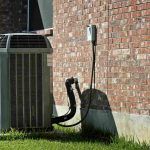
Proper installation and regular maintenance can help extend the lifespan of your air conditioner or furnace. However, normal wear and tear is unavoidable. In fact, the average lifespan of a furnace, if properly installed and maintained, could be around 20 years. On the other hand, with proper installation and maintenance, a heat pump can last for around 14 years, and an air conditioner for 16 years, according to a recent study conducted by American Home Comfort. It is also important to consider that manufacturing companies nowadays upgrade their HVAC models at frequent intervals. This means that if your HVAC equipment is more than 10-15 years old, it may be using outdated technology. So it would be a good idea to replace your old air conditioner or furnace when it’s nearing the end of its lifespan. Upgrade from an R-22 System to R-410A If you are currently using old R-22 HVAC equipment, consider upgrading to a new R-410A system. The old ozone-depleting refrigerant not only lacks efficiency, but it has lately been identified as harmful for the environment. Manufacturing companies are gradually switching to R-410A from R-22. The price of R-410A models have come down considerably over the past few years,...
View Article
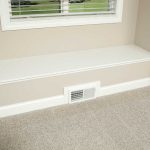
Many homeowners use central air systems, but many of them fail to use these systems efficiently and correctly. There are some common myths associated with central air conditioners, and in this post, we will bust these myths and help you understand the systems better. This will help you get the best performance from your central air conditioning system. Myth 1: Energy-efficient central air conditioners automatically bring down energy bills While it is true that energy-efficient units consume less energy, this is only when they are sized and installed properly and correctly for the home. The system will not automatically reduce the energy bill unless you have the correct unit and ductwork is designed and installed properly. Myth 2: Turning the thermostat farther down or up will heat or cool the home faster When the central air conditioner is on, it will simply remain on until the temperature that is set on the thermostat has been reached. Turning the thermostat much lower or higher will not make it work faster. Myth 3: Fuel based central heating systems are less efficient compared to electric ones It requires a lot of energy in the form of natural gas or coal to make electricity,...
View Article

How Ductless Heat Pumps Work? It is estimated that a ductless heat pump can save you up to 40 percent on your energy bills! The use of ductless heat pumps in St. Louis area homes and offices is a relatively new trend. Previously, almost all heating and cooling systems would have some ducts. While ducts help achieve uniform heating and cooling throughout the entire home, they generally consume more energy than the ductless systems consume. In fact, a heating or cooling system may lose around 15 to 20 percent of its efficiency while the hot or cool air flows through the pipes to the ducts. This means that using ductless heat pumps will help you save a lot on your energy bills. A ductless heat pump system comes with an outdoor and an indoor unit. The outdoor unit contains the compressor or condenser, while the indoor unit consists of air handlers that are installed in the areas to be cooled or heated. You will also find portable floor units that do not require installation. The outdoor unit is connected to the indoor unit with conduits, which contain condensate drains, refrigerant tubing, power cables, and suction tubing. The indoor unit works...
View Article
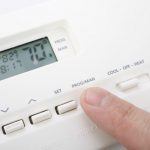
A basic knowledge of how your HVAC system works is important for better operation and maintenance. A good HVAC system ensures the comfort of your family throughout the year. It is important for every home owner to know the components of their HVAC system, and what they do to keep you cool in the summer and warm in winters: Furnace: Your furnace is a key component of your HVAC system and very likely the largest. It occupies a lot of space and is usually placed in the basement, attic, cellar, or in a purpose-built closet. It supplies air that is distributed to different rooms in the home. It can use any of the four heat sources including combustion sources such as propane, natural gas, coal, oil, a heat pump, electric resistance, and solar energy. Thermostat: In simple terms, a thermostat is the user interface that gives homeowners control over the temperature in their home. It is usually placed on the most accessible wall of the house. There are different types of thermostats available in the market including manual, programmed, and WiFi enabled thermostats. When the temperature drops or rises too much the thermostat triggers the evaporator coil and condensing unit...
View Article
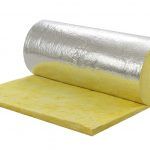
Home insulation helps maintain a comfortable indoor temperature and make your home energy efficient. Over time, your HVAC system may lose efficiency. One way to maintain your system’s efficiency is by ensuring that your walls, windows, and other parts of your home are properly insulated. Why Insulate Your Home? Just installing an HVAC system may not be enough. The ultimate goal is to have a system that runs efficiently for years, without you having to spend a large sum of money on frequent repairs. A sure way to take the pressure off your HVAC system is by insulating your home. Insulation helps to create a healthier home environment and maintain a comfortable temperature inside your home, by preventing cool air from escaping outside. Simply put, home insulation makes your heating and cooling system’s job easier, resulting in lower energy bills and a system that lasts longer. Where to Insulate The first step towards insulating your home is to decide where to insulate. Ideally, you need to insulate the areas of your home connected to the outside environment. This can be any vents or pathways through the doors, windows, ceilings, walls, roofs, floors, attic, and ducts. Types of Home Insulation Different...
View Article