
Humidifiers Control Moisture to Improve Your Home’s Indoor Air Quality Dry indoor air is a common issue during the winter in St. Louis, especially when your heating system runs for long stretches every day. When the air inside your home becomes too dry, it can lead to a range of comfort problems, including dry and itchy skin, chapped lips, sore throats, irritated sinuses, and static electricity. In some cases, it can even make seasonal allergy symptoms and minor respiratory irritation feel worse. A properly sized whole house humidifier system can help restore moisture to the air and make your home feel healthier and more comfortable throughout the heating season. Whole-house humidifiers are designed to work with your HVAC system and plumbing so moisture can be distributed more evenly throughout the home. Unlike portable units that only treat one area at a time, a central humidifier supports comfort across multiple rooms and does not require you to refill a small tank every day. In this article, we will walk through the main types of humidifiers available, explain what homeowners should consider before choosing one, and review a few important installation factors to keep in mind. Why Dry Indoor Air Causes Problems...
View Article
4 Indicators Your AC Is Due for Repairs Many homeowners do not think much about their air conditioner until the heat becomes intense and the system suddenly becomes essential. When your cooling system is working well, it is easy to take it for granted. But air conditioners rely on multiple components that can wear down, clog up, loosen, or fail over time. Even a high-end unit still needs regular care and occasional repairs to stay reliable. If your system starts showing signs of trouble, it is important to act quickly. What begins as a small issue, such as a dirty filter or clogged drain line, can turn into a much more expensive repair if the unit keeps struggling to cool your home. To help you know what to watch for, here are some of the clearest signs that your AC may be due for professional service. Early Warning Signs You Shouldn’t Ignore An air conditioner rarely fails without warning. In many cases, it starts showing smaller signs that something is off. Homeowners who catch these symptoms early can often avoid more serious damage, higher repair costs, and long stretches without cooling during the hottest part of summer. Rising energy bills...
View Article
Air Conditioner Smells Air conditioning systems eliminate moisture from living space and filter air pollutants before they can get indoors. However, if you don’t schedule routine maintenance or clean your air conditioning unit frequently, it can cause your indoor air to become stinky. If your AC unit emits a foul odor, there could be several issues at play. Here are some reasons why your air conditioner smells and how to alleviate the problem in your home. 1. Frozen Evaporator Coils An air conditioning unit works by absorbing the warm air inside your house, removing moisture from it, and cooling it down before cycling it back into the house via the return vents. Good airflow is essential for the entire process, which means your unit should have clean air filters. Debris, dirt, and other pollutants usually block airflow through air filters, forcing the water drops from moist indoor air to accumulate on the coils. The water collecting on the unit’s evaporator coils will then freeze as the refrigerant cools down the air. That is where the significance of changing filters at home is realized. Replace or clean your filters more regularly to prevent the evaporator coils from freezing and emitting unpleasant...
View Article

How to Prepare for Fall Allergens Fall is nearly here, and with it the bright colors and cooler weather often come watery eyes, a scratchy throat, post-nasal drip, and sneezing. If you deal with seasonal allergies, a little preparation goes a long way, because once allergens are already circulating through your home, symptoms can be harder to control. A strong first step is improving airflow and filtration so allergens have fewer places to collect and fewer chances to recirculate through your living space, especially if you already rely on air filtration and purification systems to support indoor comfort. The Most Common Fall Allergens Fall allergens are often different from what triggers symptoms in spring. In many areas, ragweed is the main culprit, and its pollen can travel long distances on the wind. Indoors, the biggest aggravators are usually dust mites and mold spores, especially when humidity is high or when outdoor allergens hitch a ride inside on clothing, shoes, and pets. The goal is not to eliminate every particle, it is to reduce exposure and keep your home from becoming a storage unit for allergens. Replace the HVAC Filter Your home’s airflow is sifted through the HVAC filter, so anything...
View Article
Updated September, 2025 Central air conditioning is the most widely used cooling system in the United States. As you evaluate replacing your old unit or adding a new one to your home, it’s important to know what it needs and what’s included in a standard installation. Use this guide to explore what central AC is, what’s included with the system, and what else you may need. What Central Air Often Overlooks Central systems cool reliably, but comfort also depends on filtration, distribution, and zoning. If you notice dust, uneven rooms, or humidity swings, a few upgrades can close the gap. Catch more fine particles and odors with advanced filtration and purification. Eliminate hot and cold rooms with zoning to control separate areas independently. Keep performance steady season after season under our Maintenance Agreement. Ask us to evaluate duct sizing and return placement so your central air delivers even, efficient comfort throughout the home. What Is Central Air Conditioning? Central air conditioning is an AC system where air is cooled and distributed around your home. Central air conditioning is also often called a split system because part of it is outside and the other part is inside. In this type of...
View Article
Year-Round Benefits of an Energy Recovery Ventilation System With allergens and breathing issues on the rise, indoor air quality is more important than ever. Instead of constantly battling the heat or cold, your home can maintain the proper humidity levels with the installation of one product known as an energy recovery ventilation system. Often referred to as an ERV system by professionals, these impressive machines work all year round to improve the air quality and moisture in your home. Before hiring a company to install the system, learn how these systems actually work for your home and the benefits they can provide through every season. Dry Weather Winter Benefits in St. Louis, MO A long winter can bring a lot of dry weather outdoors, and that dry air can easily transition into your home. An ERV system will typically get installed in an attic crawl space. If your home does not have an attic space, then an area like a deep closet or basement will provide an ideal installation spot for the ERV system. While the system works two ways, in the winter, the main goal is to deliver a little moisture into the house and eliminate the need for...
View Article

How to Find the Best Indoor Air Quality Technology for Your Home The air quality in your St. Louis, MO home could be far worse than the air quality outdoors. In fact, according to the U.S. Environmental Protection Agency (EPA), it’s likely two to five times worse. The good news is that it doesn’t have to be. Whether you live near a busy freeway or have multiple indoor pets, advanced indoor air quality (IAQ) technologies can help. However, the key to optimizing IAQ improvements is finding the right one for your household. HVAC Air Filters: What They Can and Cannot Do All heaters and air conditioners have pre-installed HVAC air filters. Equipment manufacturers install these components to keep the interiors of furnaces, ACs, and heat pumps protected and promote long equipment lifespans. These standard, pre-installed filters collect larger airborne particulates like dust motes, hair, textile and carpet fibers, and pet fur. However, due to their larger mesh, many allergens and contaminants pass right through them. Thus, while they do provide limited air quality benefits, these benefits are hardly enough to meet the IAQ needs of most households. The Importance of Keeping Your HVAC Equipment Clean According to HVAC equipment manufacturers,...
View Article
The Importance of Commercial HVAC Maintenance To ensure that the air inside your commercial establishment is maintained at a comfortable temperature, and is free from all kinds of pollutants, every business owner should carry out periodic maintenance of their commercial HVAC systems. Periodic HVAC maintenance involves an audit of the environmental and energy systems of the building. HVAC experts identify comfort issues and analyze the equipment and operating procedures to offer cost-effective and energy-efficient solutions. There are several benefits that a business owner can seek from periodic maintenance of their commercial HVAC systems. HVAC Systems Survey and Financial Analysis Commercial HVAC system maintenance involves an audit of mechanical equipment and control systems. By gauging the condition, age, and repair status of the equipment, you can easily identify the problem areas, and plan and prioritize repairs. It also helps in better financial planning by offering a history of expenditures and projecting future outflows. By taking into account these factors, business owners are better able to prepare a budget. Solutions Once the heating and cooling company has identified all problem areas, they will recommend solutions that improve the comfort level and increase the energy efficiency of the HVAC system. The efforts are made...
View Article
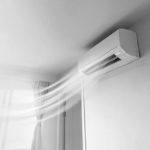
Not every home in St. Louis is built to support a central HVAC system. If you live in a house with insufficient HVAC ductwork or absolutely no ductwork at all, you may be tired of relying on ceiling fans, standing fans, and inefficient window air conditioners during the summer months. Fortunately, ductless air conditioning provides the same reliable performance that central A/C systems do. These systems are flexible enough for meeting the needs of everyone in the home. They’re also easy to install. Keep reading to find out exactly how these relatively new options in home cooling equipment work. What Is a Ductless Air Conditioner? Also known as mini-splits or ductless mini-splits, ductless air conditioners have an outside compressor and multiple indoor air handlers. For every room or zone throughout your home that you want to cool, you’ll need to have a separate air handler installed. This configuration means that you don’t have to turn the air conditioner on in every room at once. Instead, building residents can selectively cool down the areas that they’re actively using. Each air handler has its own thermostat and remote. This makes ductless A/C systems an excellent choice for households with residents that are...
View Article

7 Ways Spring Weather Affects Your Indoor Air Quality Spring weather in St. Louis, MO can be a wild, unpredictable ride. With strong, gusty winds, ample rain, hail storms, and tornadoes, many residents aren’t eager to greet this often volatile season. Sadly, even when you’re nestled safely inside, there’s still the issue of greatly diminished indoor air quality (IAQ). The good news is that you have a far better ability to manage the environment inside of your home than you do the environment outdoors. The following are seven springtime IAQ concerns along with a few tips for mitigating them. 1. Dirty Air Filters, Vents, and Ductwork Spring in St. Louis often comes on the heels of severe winter weather and an extended cold season. It’s not uncommon for locals to see record-breaking snowfall in mid-March. When compared to locations with shorter and more temperate winters, this means far more strain on central heating systems. By the time that April arrives, your HVAC system is likely riddled with dirt, dust, pet hair, and other accumulated debris. If the weather stays cold throughout all of early spring, you may make the mistake of skipping or delaying your regular HVAC maintenance. One of...
View Article