
Getting Your HVAC System Winter Ready The onset of winter indicates that homeowners will put their HVAC systems to maximum use this year to make sure their homes are warm and comfy. However, many do not prepare their HVAC for the extra pressure during the winter season. The extra running time, cold winter temperatures, as well as regular wear and tear, can cause a perfectly well-running HVAC system to simply stop functioning correctly. In the cold winter months, the last thing you need is to spend an uncomfortable cold night, or nights, waiting for a St. Louis HVAC technician to come and fix the problem. Thankfully, the solution to avoid such a problem is simple. Regular maintenance and added winter maintenance is the answer that will keep an HVAC system working well when needed the most. What does HVAC winter maintenance include? Winter maintenance essentially involves conducting a thorough check of the entire HVAC system to ensure smooth functioning all through the winter months. With the demands on the HVAC increasing in winter any small repair can turn into a bigger, more expensive repair if left unchecked. A maintenance check conducted by an experienced, qualified and trained St. Louis HVAC...
View Article
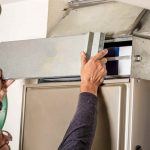
Scott-Lee Heating Company offers Precision Maintenance Agreements for customers who want to keep their systems running at peak performance. Winter is at its peak now, and most of us are paying more attention to our heating systems than we have done in many months. With the weather continuing to grow colder, the last thing we want is a heating system that does not work as efficiently as it should. Among the many things that you should be monitoring closely is your furnace filter. Have you checked to see how is it doing? If you haven’t, you may want to check it now. Our St. Louis HVAC technicians come across too many dirty furnace filters, and the homeowners are always left wondering what has caused their filters to become so dirty. There are various reasons why this could happen: Furnace Fan is Set to “On” If your furnace filter is dirty, take a look at your thermostat and check the fan setting. It should be set to “auto”, however, if it is set to “on” the furnace fan should will run constantly, and expose the filter to contaminants throughout the day. This means, the furnace filter will get much dirtier than...
View Article

Help your family breathe easier this winter season by improving the indoor air quality in your St. Louis home. Modern homes are sealed tighter than ever and are designed to minimize heat loss and be energy efficient. However, this also traps pollutants within the home and may create a stuffy and dry environment. In this post, our St. Louis HVAC technicians will discuss ways to improve indoor air quality in winter and help you and your family breathe easier. Tips to improve winter indoor air quality Change your filter regularly: During summer, the indoor air is likely to be cleaner, because the indoor air gets exchanged with fresh outdoor air through open doors and windows. However, in the winter, the indoor air is constantly recycled through the heating system and ductwork. This can cause some pollutants to remain inside the home. One of the simplest ways to traps these pollutants and allergens is through the HVAC filter. This makes it very important to have the filter changed every four to six weeks during the heating season. Control humidity: High humidity levels can cause conditions that promote mold growth. If the humidity levels are too low, it can make you and...
View Article
Do you find your house too damp in the summer and too dry in the winter? Your home should have a relative humidity level of 30-60 percent, depending on what time of the year it is. In winter, the use of heating systems can reduce the humidity by over 30-40 percent. On the other hand, in summer the humidity may be as high as 60 percent. If the relative humidity is below 30, you may want to invest in a humidifier to keep your family comfortable; however, if it touches 60 or more, you need a dehumidifier. You may need both a humidifier and a dehumidifier and use them according to the seasons. How Humidity Affects Your Health Extremes of relative humidity in the atmosphere can affect your health adversely. If the air inside your home is dry, you may experience dry skin and other types of dermatitis such as peeling, itchy skin, or chapped lips. These may be the first signs that you need to invest in a humidifier. Other health problems caused by dry air include dry sinuses, congestion, nosebleeds, a persistent cough, and sore throat. If the air is too moist, it can aggravate allergy and asthma symptoms. Your air conditioning system...
View Article

Before summertime and humidity makes it way back around, talk with your HVAC company about installing an energy recovery ventilator. When temperatures rise in St. Louis, so does the humidity, even inside of your home. As our homes become more energy-efficient, new problems start to arise. Indoor air quality is compromised as stale air is recycled through the house and humidity levels increase. You have basically created an airtight environment with humidity levels that fluctuate drastically and far from the 40% ideal range. Energy Recovery Ventilator Adding an energy recovery ventilator system to your HVAC system can take care of both of these issues. The ERV system can exchange the stale air with fresh air, conditioning it first to match the indoor temperature of the house. In the summer the system is pre-cooling and dehumidifying outside air as it is brought into your home. The opposite happens in the colder months when the system warms the air and humidifies it. This leaves you with a comfortable indoor environment that is infused with fresh air. Reducing Energy Costs ERV systems have proven to be an effective way of reducing energy costs by reducing heating and cooling loads. It does this by using air that has already been conditioned...
View Article

With the winter season just around the corner, it is essential to check if your furnace is in proper working condition to brace the long, cold months. While your home’s furnace may seem to be in top working condition, it is good idea to have regular maintenance performed to prevent sudden problems from arising. It is also important to remember that all maintenance checks should be conducted by an experienced and trained St. Louis HVAC technician. It is beneficial to understand what signs indicate that your furnace needs attention. Here are some of the signs to look out for: No Heat The first and most obvious sign that the furnace needs repair is lack of or no heat emanating from the vents. Moreover, if the furnace has been running for some time and the vents are giving out cold or room temperature air, or if the house feels cold despite a running furnace, it is time for furnace maintenance. Increasing Bills It is important that HVAC owners keep a tab on their utility bills. Increasing bills or abnormally spiked utility bills also indicate a problematic furnace. Another way to check the efficiency of the furnace is by keeping a tab...
View Article

Heating your St. Louis area home with malfunctioning or poorly maintained equipment can prove quite dangerous Heating equipment is responsible for 16 percent of residential fires and the consequences of these fires are serious. According to the National Fire Prevention Association, heating equipment contributes to about 19 percent of all deadly fires. Each day, there are about seven cases reported, which means, one or two deaths are caused by HVAC systems every day. It is important for homeowners to be aware of some of the common causes of heating equipment failures and fires. In this post, St. Louis HVAC technicians will share some tips to properly use and maintain heating systems for the safest operation possible. Do not leave the space heater unattended Space heaters are a great way to add warmth to a cold room, however, they should be used sparingly. Space heaters are known to the biggest contributor to home fires compared to all other heating equipment. So, before you start using your space heater, you should check your heating unit, insulation, air sealing and ductwork to identify any sources of drafts that may be causing creating chilly or drafty spots in your room. Ensure that your...
View Article
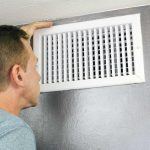
St. Louis homeowners sometimes complain of low airflow in their rooms. This could be the result of a number of issues. A trained HVAC professional can be called upon to determine the reason for poor airflow. Nevertheless, it is essential that St. Louis homeowners also have the proper knowledge about what causes poor airflow in their home. Consider the following reasons. Dirty or excessively high efficiency furnace filters Any dirt accumulating on the furnace filter over a period of time increases the thickness of the filter. Apart from causing a host of other issues, a dirty filter also restricts airflow causing inadequate or uneven distribution of air. Another cause could be installing a filter with a high MERV rating. While filters with high MERV ratings are meant to purify air better, they can at times create resistance in airflow in an attempt to block small airborne particles. This resistance can pressurize the fan of the AC or the furnace and cause damage leading to poor airflow. Therefore, homeowners should check if their HVAC system is compatible with the high-efficiency MERV filters. Improper duct work It is essential to design and install ductwork properly, after careful consideration by a trained and...
View Article

There are various types of HVAC systems and they are classified as commercial and residential. Commercial HVAC systems are used in retail stores, hotels, office buildings, and other large buildings. Residential HVAC systems are used in homes and small businesses. Both types of systems perform the same function but there are some key differences between them. Size Commercial HVAC systems are much larger than their residential counterparts due to the fact that they serve larger areas. They are also more complex in terms of thermostats and dampers. For these reasons, commercial systems require much more power to function. Complexity Commercial HVAC systems are more complex as they have to take into account the types of rooms and to be adaptable accordingly. The temperature may vary depending on the number of rooms, the number of people occupying the building, and what it is used for. It is possible that some rooms such as server rooms may have to be maintained at specific temperatures. Location Commercial HVAC systems are normally placed on the roof of a building, while residential systems are typically placed inside the home. The roof is considered the ideal location for commercial HVAC systems because a large system produces noise that causes disruption....
View Article

At Scott-Lee Heating, we will help you determine if your HVAC system needs repairs or just needs to be replaced. Inefficient HVAC systems can cost your home or business a lot of money, and lead to health and comfort issues. So, it’s important to understand whether your system needs repairs or if it needs to be replaced. At Scott-Lee Heating, we come across some homeowners and business owners who put off HVAC repairs or replacement to save on costs for as long as they can, but by doing so they end up doing more harm than good. By keeping a track of the maintenance needs of an HVAC system, it can reduce the monthly energy costs, keep repair costs low, and improve the home or work environment. Here are 9 steps that can help you determine whether your HVAC system needs repair or replacement. When deciding on whether your HVAC system needs repair or replacement, you should seek help from a competent St. Louis HVAC expert. Find out the essential information about the current system including age and repair history. This will help the HVAC contractor make a better decision about repairs. If the system is older, replacement would be...
View Article