
November 5, 2025
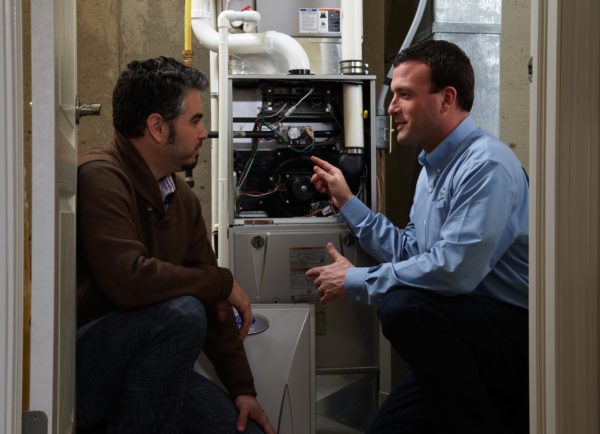
A gas smell by the furnace is not a wait-and-see moment. You need quick, calm steps that protect people first and property second. Knowing what to do before you smell it keeps panic low and decisions clear. At Scott-Lee Heating Company, we guide homeowners through safe shutoffs, professional diagnostics, and furnace repairs that fix the root cause. Here are some steps that you absolutely must take if you suspect a leak.
First Priorities When You Smell Gas
A gas odor near a furnace calls for quick, steady action. The scent you notice is an added odorant that helps detect even small leaks. Treat it as a safety alert. Move people and pets outside and call your gas utility or emergency services from a safe spot. Don’t flip switches, light matches, or use a phone inside, as a small spark can ignite a pocket of gas. Don’t try to find the leak on your own or tighten fittings.
A leak can sit behind a panel, along a connector, or inside a control body where you can’t see it. Trying to figure things out on your own can put you in harm’s way. You can potentially damage your system or even cause an explosion. Natural gas and propane behave differently in a room, and a professional understands how each can collect and move. Fast reporting protects your house and gives the responding team a clear starting point for a thorough check.
Why a Furnace Can Release a Gas Odor
A furnace can release a gas odor for several reasons, and each one needs a qualified fix. A loose union or a worn flex connector can leak at the appliance shutoff. A gas valve that fails to close fully can pass a small amount of fuel into the burner compartment. Delayed ignition can produce a short burst of unburned gas if burners are dirty or the igniter doesn’t light cleanly. Incorrect manifold pressure can allow too much fuel to enter before the flame is stable.
Propane systems add another set of variables, including regulator performance and tank pressure swings. Venting faults can pull the flame off the burner and interrupt clean combustion, which leaves a noticeable smell in the utility room. These problems look similar to a homeowner, yet the fix for each path is different. That’s why a trained technician follows a stepwise process to confirm where the odor starts and what repair brings the system back to safe, steady fire.
What a Licensed Technician Checks First
The visit starts with instruments, not guesses. A technician uses an electronic gas detector to sweep the furnace, gas cock, union, drip leg, valve body, manifold, and burner area. They confirm supply and manifold pressures with a manometer, as the correct pressure is crucial for maintaining a stable fuel stream at start and during long runs. Bubble solution follows to pinpoint tiny leaks at threads and flare connections that a nose can miss.
The tech inspects the igniter, flame sensor, and burner orifices and looks for debris or scale that could slow ignition. On a propane system, they read regulator performance and check for droop under load. If the furnace sat unused for a season, they review the vent, inducer motor, and pressure switch to confirm the safety chain works as designed. This approach isolates a leak or a failed part before any adjustments are made, which protects the appliance and the home while the repair takes shape.
Repairs That Restore Safe Operation
Once the source is confirmed, the repair moves fast. Leaking threaded joints get disassembled, cleaned, and sealed with the proper compound and then tightened to specification. Worn flex connectors and suspect shutoff valves get replaced and labeled. A faulty gas valve is removed, matched to the furnace model, and installed with new gaskets and checked for tightness and correct wiring. Dirty burners come out for cleaning so that flame lights across the row without hesitation.
The technician resets manifold pressure to the rating plate and verifies smooth start, steady flame, and clean shutoff. If delayed ignition caused the odor, a new hot surface igniter or corrected spark gap can solve it. If venting played a part, the technician clears restrictions and confirms the draft at the test port. Before they leave, they repeat leak checks with instruments and solution so that every joint is tested clean at operating pressure and during a hot shutdown.
Why Timely Service Matters During Heating Season
Gas odors don’t get better with time, and a small leak can lead to a larger failure if the part that caused it continues to wear. A furnace that lights late will stress burners and crack porcelain on the igniter. A valve that sticks can interrupt heat during a cold night and trigger repeated restarts. Those restarts raise energy use and still fail to keep rooms comfortable. If the utility company finds an unsafe condition, they can lock the meter until a licensed repair clears the issue. Quick service avoids long downtime and prevents secondary problems like soot on nearby surfaces or melted wiring at a burner frame. A prompt visit during the first sign of trouble protects your home and gives you reliable heat for the rest of the season.
What to Expect During and After the Visit
The technician will secure the work area, shut off fuel at the appliance, and ventilate as needed before removing any parts. After the repair, they’ll relight the furnace, allow it to reach steady operation, and observe starts and stops to catch anything unusual. Carbon monoxide levels are measured in the supply air and at the flue to confirm clean combustion. The draft is checked with a gauge so that the vent pulls the correct volume. The tech confirms that safety switches respond as designed and that the thermostat calls for heat without hesitation.
You should receive a written record of leak checks, pressure readings, and any parts replaced. If your detectors are older than five to seven years, ask the technician to test them and recommend replacements when needed. Before leaving, the tech will explain signs that call for service again, like a return of the odor, repeated clicking, or a burner that lights unevenly.
Preventive Steps a Professional Can Set Up
Regular professional care lowers the chance of a gas odor surprise during the coldest stretch. During seasonal service, a tech cleans burners, checks ignition parts, verifies pressure, and confirms that the gas cock, union, and valve body are dry and tight. They clear the condensate system on high-efficiency models so that water doesn’t back up and interfere with safe operation.
They also review the vent for nesting and corrosion and test the pressure switch and limits, so safety circuits respond fast. If your home uses propane, the regulator and lines from the tank to the furnace are inspected to ensure pressure stays within specifications. A maintenance plan that schedules these steps keeps the equipment ready for long heating cycles and gives you a direct line for fast service if anything changes during the season.
Secure the System, Protect Your Home
You want a clean fix, not a temporary patch. We provide licensed furnace diagnostics, gas line inspection and repair, combustion testing, and carbon monoxide detector installation so that your unit runs safely. If your furnace needs parts or a tune-up, we handle that in the same visit whenever possible. Book emergency service today with Scott-Lee Heating Company and get your St. Louis home back to safe, steady heat.