
February 18, 2026

3 Energy Efficiency Tips
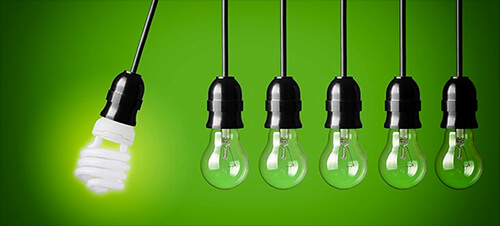
Chances are, your utility bills are some of the highest monthly expenses you have. Energy prices look set to rise for the foreseeable future, so it makes sense to take steps that keep your home comfortable without going over budget. The good news is that implementing simple changes can help you save money every single month, cut down on your energy consumption, and improve your carbon footprint, all at the same time.
Little things can make a big difference in your home. Some changes require barely any effort yet will have a noticeable impact on your spending and your home’s overall energy efficiency. We often encourage customers to make changes that benefit their home and bank balance. This guide lists three of our top energy efficiency tips for running a more energy-efficient home, and how to get more value out of each one.
Smart Thermostat
With the help of a smart thermostat options and controls, you’ll cut down on your energy consumption every single month. This device gives you control of the thermostat anywhere in the world, as long as you’re connected to the Internet. It also can identify when you’re not home and learn your heating preferences. This way, your home can remain at a comfortable temperature while saving you money.
To make this tip work harder for you, focus on a few simple habits:
- Set schedules so your system eases back while you sleep or when the house is empty.
- Use “away” features so you are not heating or cooling an empty home.
- Avoid big temperature swings that can trigger longer run times and higher energy use.
If you are not sure what settings make sense for your home, a maintenance visit is a great time to ask for thermostat optimization while the system is being checked.
1. Turn Off Your Devices and Appliances and Reduce Usage
Turning off electrical devices instead of leaving them on standby is one of the key ways to save money on your energy bill. Modern appliances and devices can switch off safely without risking damaging their software, and standby mode is often just a matter of convenience. You’re likely wasting several dollars a week by leaving your devices on standby. Standby still uses electricity to power your appliances, and while it is not as much as if they were in use, it is still more than if they were unplugged.
Your laptop or cell phone charger doesn’t magically stop pulling electricity from the outlet when you disconnect the device. The cables still draw power. By disconnecting power plugs (such as portable electronics and even TVs or gaming systems) when you are not using them, you’ll reduce your energy consumption and save on utility bills every single month moving forward.
Consider using devices less as well as avoiding standby mode. For example, switching to an indoor drying rack or drying clothes outdoors can save you money every week. Using your washing machine at a lower temperature is another fantastic way to save energy. Washing at lower temperatures can still clean your clothes to the standard you want and also help lower your energy bill.
Two quick upgrades can make this even easier:
- Smart power strips to shut down entertainment centers and office equipment together.
- LED lighting, and if you want extra control, smart bulbs you can manage from your phone.
For additional ways to tighten up your home envelope and reduce drafts that drive up heating and cooling costs, see eliminate drafts in your home as a next step.
2. Replace Your Old Appliances
Older appliances are less energy-efficient, and that’s a fact. Your older TVs, microwaves, and computers will often require more power than your modern counterparts. Replacing older technology with newer versions can improve your home’s overall energy efficiency, reduce wasted power, and make daily life more reliable and convenient.
There are countless appliances that can have a noticeable impact on your energy bill. Refrigerators and washing machines generally have the most profound effect on overall household energy use. Even smaller changes, like upgrading light bulbs, can add up over time.
If you want to focus on the biggest drivers of comfort and monthly spend, it is also worth looking beyond appliances and thinking about how your home holds temperature in the first place. Sealing air leaks, improving insulation, and reducing heat transfer through the building envelope can reduce how hard your HVAC system has to work. If you want to go deeper on that topic, insulating your home for savings is a helpful companion read.
3. Keep Your HVAC System Efficient (Maintain It, Then Upgrade If Needed)
In many homes, the biggest source of energy use is heating and cooling, which means your HVAC system is the most important place to look when you want better energy efficiency. Over time a number of issues may plague your HVAC system and you might not even know there is a problem at all. Dust and other debris can collect in vents and equipment, forcing the system to work harder to treat the air in your home. Cracks in ductwork can lead to leaks, which cost you money as conditioned air escapes. Plus, if the HVAC equipment is not running as efficiently as possible, this will end up costing you money in the long run.
Annual HVAC Inspection
With the help of an annual HVAC inspection, you can address small issues before they become expensive problems, and you can keep the system operating closer to its designed efficiency. If you want consistent performance year-round, a preventive maintenance agreement can help you stay on schedule and avoid missed tune-ups.
If something already seems off, it is better to address it sooner rather than later, since small efficiency issues often turn into bigger wear and tear. If you are seeing performance problems, start with residential AC repair support to correct the issue and stop the system from running harder than it should.
Upgrade Your HVAC System When It Is No Longer Efficient
Sometimes maintenance is not enough, especially if the system is older, has declining performance, or is using outdated technology. Upgrading your HVAC system is one of the most significant ways to impact your home’s energy efficiency. Older systems are likely to be considerably less energy efficient than newer models and lose additional efficacy simply from being old and well-used.
Buying a new HVAC system is one of the most important purchases you will ever make for your home. Four types of HVAC systems exist that can benefit your home: hybrid systems, ductless systems, split systems, and packaged systems. Choosing the best HVAC system depends on your home and your budget. Working with experts can help you find the best kind of HVAC system for your unique requirements.
A new HVAC system can help your home be more energy-efficient and your energy bills lower, while also reducing the risk of expensive repairs and improving comfort. If you are considering replacement, exploring AC installation and replacement options is a strong starting point for evaluating what fits your space and energy goals.
Quick Energy Efficiency Checklist
If you want a fast way to tighten up energy use without taking on a big project, work through this quick checklist and aim to tackle just a few items each week:
- Turn off devices at the wall instead of leaving them on standby.
- Use a smart power strip for TVs, gaming systems, and office equipment.
- Switch high-use bulbs to LED and use timers where it makes sense.
- Wash clothes in cooler water and run full loads whenever possible.
- Air-dry clothes occasionally to reduce dryer use.
- Keep vents and returns clear of rugs, curtains, and furniture.
- Replace HVAC filters on schedule and do not ignore airflow changes.
- Seal obvious air leaks around doors and windows.
- Schedule maintenance before extreme temperatures arrive.
Even doing a small handful of these consistently can reduce waste and improve comfort, without making your home feel restrictive or inconvenient.
Your Local HVAC Experts
The team at Scott-Lee Heating Company is always looking to help our customers in any way we can. Scott-Lee Heating Company has worked in the HVAC industry for over 40 years. We have consistently impressed our customers over this time and are known as the best HVAC company in our community. Our dedicated team has the skills and knowledge required to make your home as comfortable as possible while helping you save money on your energy bill. Our team would love to talk you through your HVAC service options and help you choose next steps that fit your home.
Residential Heating Repair Experts since 1978!
Contact Scott-Lee today to increase your energy efficiency. We have been servicing the greater St. Louis Metropolitan area for the past 40 years. We also service multiple areas in Illinois as well. At Scott-Lee Heating Company, we make your heating & cooling problems our own, and we solve them in a heartbeat. If you are ready to get started, book a visit through our schedule service contact page.